
Guides
How Do You Secure a Temporary Fence to the Ground?
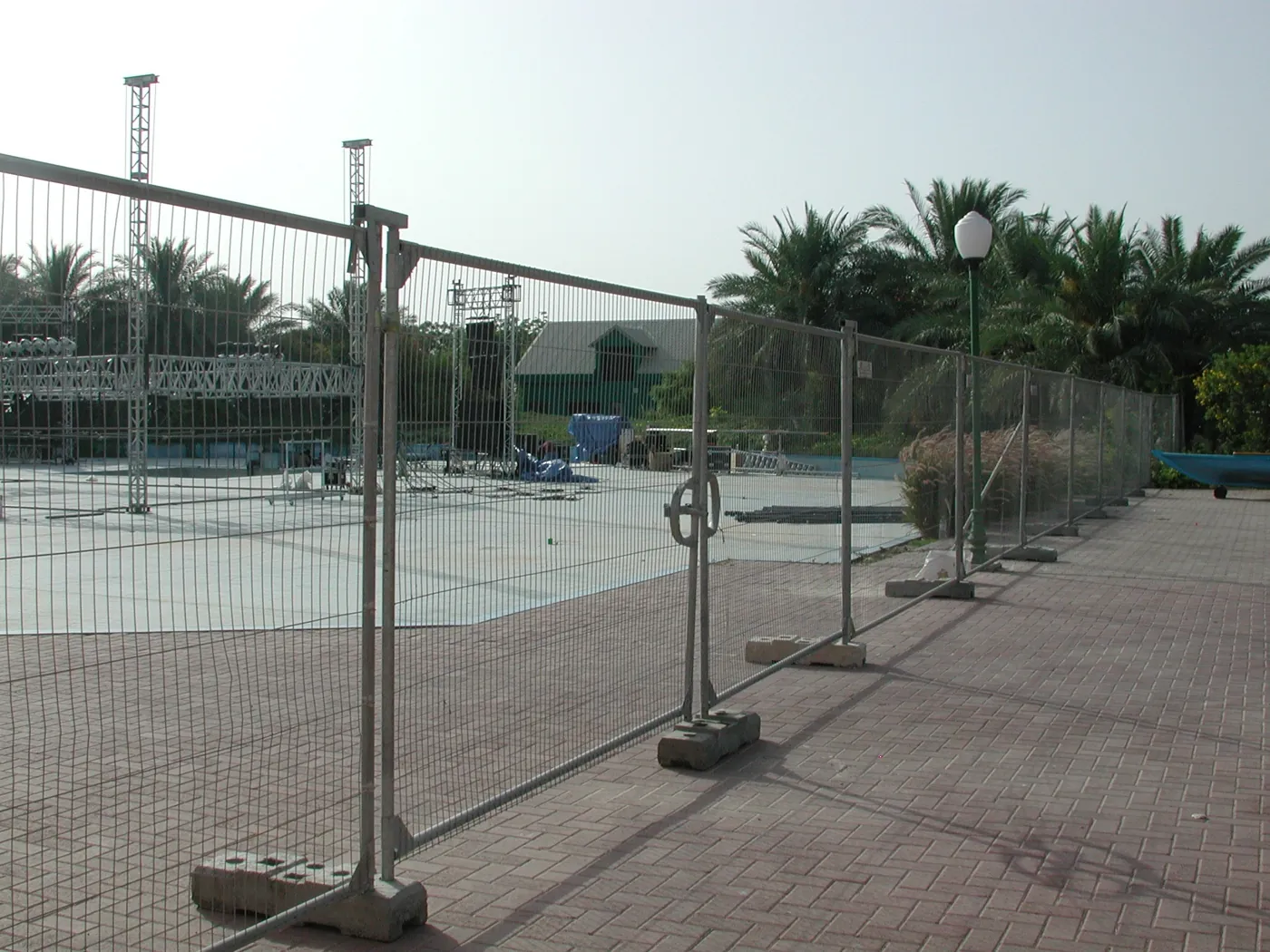
Temporary fencing is a critical aspect of many projects, from construction sites to festivals, offering necessary security and boundary definition. Properly securing temporary fencing to the ground is essential to ensure stability, safety, and effectiveness. This guide explorer the various methods used to secure temporary fences, including sandbags, spikes and bolts, T bars, and wind braces, and discusses best practices for hoarding contractors.
Why Securing Temporary Fencing is Important
Whether you’re involved in temporary fencing for construction or managing an event, ensuring that your fencing is securely anchored to the ground is crucial. Unsecured fences can lead to safety hazards, including tipping over, unauthorized access, and damage to property or equipment. Properly secured fencing ensures a stable barrier that effectively controls access and provides a clear boundary for the site.
Methods to Secure Temporary Fencing
Sandbags
Sandbags are a simple yet effective method to secure temporary fencing. They are particularly useful in situations where driving stakes into the ground is not possible, such as on paved surfaces or indoor environments. Sandbags provida weight and stability, preventing the fence from being easily moved or tipped over by wind or accidental contact.
To use sandbags effectively:
- Place sandbags at the base of each fence panel.
- Ensure they are distributed evenly to maintain balance.
- Use heavy-duty sandbags that can withstand weather conditions and potential tampering.
Sandbags are especially beneficial for temporary fence for construction sites where heavy machinery might be in use, as they provide a flexible solution that can be easily adjusted or moved as needed.
Spikes and Bolts
For a more permanent and secure solution, spikes and bolts are commonly used. This method involves driving spikes into the ground and using bolts to attach the fencing panels securely. This method provides a high level of stability and is suitable for long term projects.
Steps to secure fencing with spikes and bolts:
- Position the fence panels where they are needed.
- Drive the spikes into the ground at an angle for maximum hold.
- Use bolts to attach the fence panels to the spikes securely.
- Ensure all connections are tight to prevent movement.
Hoarding contractors often use this method on construction sites to ensure that the fencing remains stable throughout the project, providing a reliable barrier against unauthorized access and potential safety hazards.
T-Bars
T bars, or T posts, are another effective method for securing temporary fencing. These metal posts are driven into the ground and provide a strong anchor point for attaching fencing panels. T bars are particularly useful in softer ground where spikes may not hold as well.
Using T-bars involves:
- Driving the T-bars into the ground at regular intervals along the fence line.
- Attaching the fencing panels to the T-bars using clamps or ties.
- Ensuring that each T-bar is firmly embedded in the ground to maintain stability.
T bars offer flexibility in terms of positioning and can be easily adjusted if the layout of the site changes. This method is ideal for temporary fences for construction projects where terrain may vary and a more adaptable solution is required.
Wind Braces
Wind braces are essential for providing additional stability to temporary fencing, especially in areas prone to high winds. These braces help to reinforce the fence structure, prevent it from being blown over and ensure it remains upright and secure.
Implementing wind braces includes:
- Installing wind braces at regular intervals along the fence line.
- Securing the braces to both the fence panels and the ground.
- Adjusting the braces to ensure they are providing adequate support.
Wind braces are a valuable addition to any temporary fencing setup, particularly on construction sites where high winds could pose a risk to both the fencing and the safety of the site.
Best Practices for Hoarding Contractors
Hoarding contractors play a crucial role in setting up and maintaining temporary fencing for construction sites. Following best practices ensures that the fencing is secure, stable and effective.
- Assessment and Planning: Before installing temporary fencing, assess the site to determine the best methods for securing the fence. Consider factors such as ground conditions, weather, and the duration of the project.
- Quality Materials: Use high-quality materials for fencing, anchors, and supports. Investing in durable equipment will reduce the risk of failure and increase the longevity of the fence.
- Regular Inspections: Conduct regular inspections of the fencing to ensure that all anchors and supports remain secure. Look for signs of wear, damage, or movement and address any issues promptly.
- Safety Compliance: Ensure that all fencing complies with relevant safety regulations and standards. Properly secured fencing not only protects the site but also ensures compliance with legal requirements.
Why Choose S&B Fencing
When it comes to securing temporary fencing, partnering with a reliable provider is essential. S&B Fencing offers comprehensive temporary fencing services, including both installation and dismantling. Their expertise ensures that your fencing is securely anchored using the best methods suited to your site’s conditions.
S&B Fencing provides high quality fencing solutions that cater to various needs, whether it’s temporary fencing for construction sites or event management. Their experienced team of professionals ensures that your fencing is installed correctly and remains secure throughout its use, providing peace of mind and effective site management.
Securing a temporary fence to the ground is a critical aspect of site safety and management. Whether using sandbags, spikes and bolts, T bars, or wind braces, each method offers unique advantages tailored to different site conditions. For hoarding contractors and site managers, adhering to best practices and partnering with experts like S&B Fencing.
Related: temporary fencing in Dubai · PVC hoarding · steel hoarding · crowd control barriers
